Teaching Kids About Emotions: Simple Activities and Ideas
Children need practice and adult support to understand big feelings. A few calm conversations, stories and playful activities can give them words to use when something feels difficult.
At a Glance
- Best for: Preschool and early elementary children with an adult
- Explore: Feeling words, asking for help and trying coping choices
- Start with: One short activity during a calm moment
Jump to:
Start by Noticing and Naming
Try, “You seem disappointed that the game ended. Is that how you feel?” Leave room for your child to correct you. You can accept a feeling and still set a clear limit on actions that hurt someone.
The AAP offers more examples of noticing, naming and acknowledging feelings.
Four Ways to Practice Together
- Read a character: Ask what a story character might feel and which clues suggest it.
- Draw a moment: Invite a picture of something that happened today. Talking about it is optional.
- Make a help menu: Choose a few options such as sitting with an adult, drawing or taking a quiet break. Practice choosing while calm.
- Rehearse a phrase: Use puppets to try “Can you help me?” or “I need a turn.”
Linked Feelings Activities
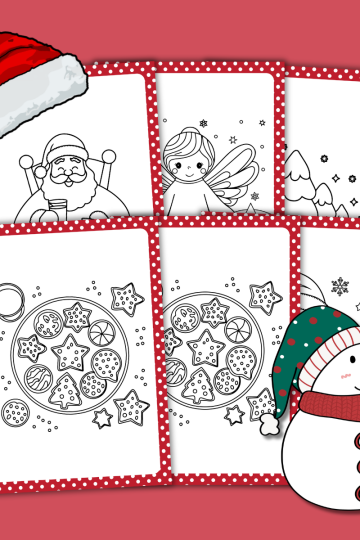
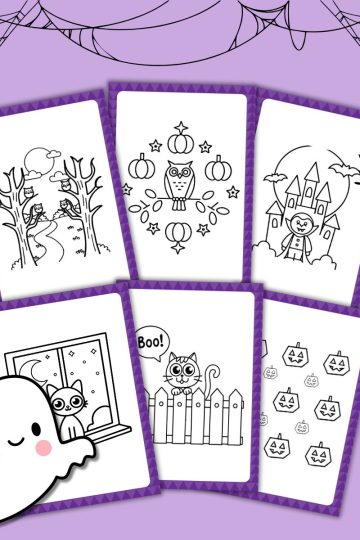
The pictures below link to Two Pink Peonies’ coloring and feelings pages, In The Playroom’s playdough mats, The Best Ideas for Kids’ bingo and other creative examples. Use them as conversation starters. Check supplies and age suitability; a craft or glitter jar will not work as a calming tool for every child.


For the linked straw-painting idea, use a brush instead with children who might suck through a straw. Adults should handle small craft supplies and containers that can break or open.
Books to Explore
The original suggestions include The Color Monster by Anna Llenas, In My Heart by Jo Witek, When Sophie Gets Angry—Really, Really Angry by Molly Bang and Alexander and the Terrible, Horrible, No Good, Very Bad Day by Judith Viorst. Preview one that fits the conversation you want to have.
Helping children identify and express their feelings in a positive manner is important for their social-emotional learning, developing empathy, and building resilience. Feelings are neither good nor bad, they simply are. Kids need words to name their feelings, just as they need words to name all things in their world.


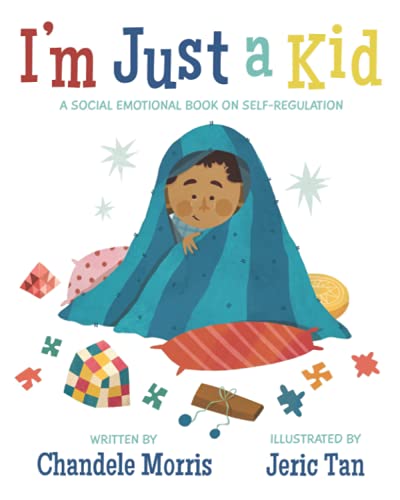
In this essential children's book, young readers learn crucial emotional skills, reminding both children and adults to 'share their calm.' Perfect for classroom lessons and at-home discussions, it's a must-have tool for teaching self-regulation, fostering empathy, and empowering children with vital emotional skills.
Did you know your feelings are the language of the soul? That's why it's important to encourage our children to express themselves. My Magical Feelings helps children compares feelings to colorful crayons that bring variety to the world and allow them to experience it. My Magical Feelings is the perfect book for every child's personal library collection and belongs in every elementary classroom as part of the social and emotional curriculum.

Keep Expectations Gentle
- Offer support before asking a very upset child to explain a feeling.
- Model your own words: “I’m frustrated. I’ll pause and try again.”
- If distress or behavior regularly disrupts daily life, talk with your child’s pediatrician about support.


Comments
No Comments