Simple Ways to Teach Children About Cultural Diversity
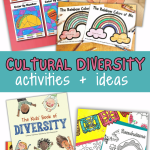
Learning about cultural diversity starts with ordinary questions about families, languages and daily life. Books, conversations and carefully chosen activities can help children notice differences with curiosity and respect.

At a Glance
- Best for: Preschool and elementary children learning with an adult
- Explore: Families, culture, identity and fairness
- Start with: A story or a question your child already has
Jump to:
Begin with People and Everyday Life
Choose stories about children playing, learning and spending time with family, as well as books about celebrations. Look for voices from within the communities you are exploring and more than one example of life within a country or culture.
NAEYC explains how books can reflect children’s cultures and everyday experiences.
Four Simple Ways to Explore
- Read and wonder: Ask what is familiar or new in a story, without treating one way of living as the normal one.
- Learn a name: Practice saying a person’s name correctly and ask respectfully when unsure.
- Share a family story: Talk about a routine or tradition in your own home. Invite others to share if they want to.
- Respond to a stereotype: Try, “People in that group do not all do the same things. Let’s learn about this person.”
Books to Start a Conversation
Based on the research that race, gender, consent, and body positivity should be discussed with toddlers on up, this read-aloud board book series offers adults the opportunity to begin important conversations with young children in an informed, safe, and supported way.


Anti-racism coloring book for kids ages 4 and up, designed to help parents start conversations about racism, inclusion and tolerance. It also promotes cultural awareness and encourages the celebration of diversity and self- acceptance.

⭐ Explores differences in origin, housing, abilities, appearance, family units, culture and more, gently helping children to think about how they are different from, and similar to other people,
⭐ Fosters greater self-awareness and empathy, the basis for learning to be respectful and kind.
⭐ The emphasis on inclusivity helps children learn to value and respect the uniqueness of each individual, while also building their own positive self-esteem.
⭐ Includes four diversity activity pages. Sit with your child and talk through diversity activities to help them reach a deeper understanding of diversity and their own identity. Try Let's Celebrate Being You, Find Someone Who or Things I Like About Me!

Linked Craft and Classroom Ideas
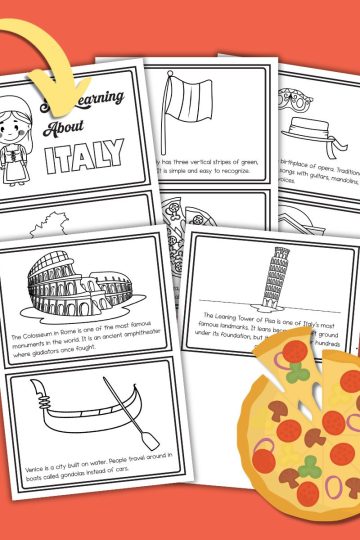
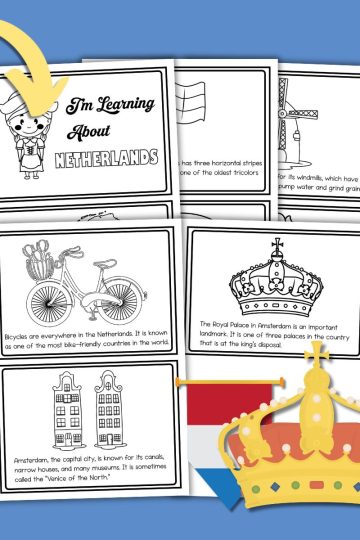
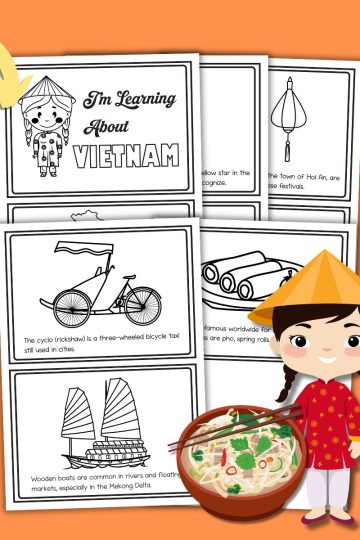
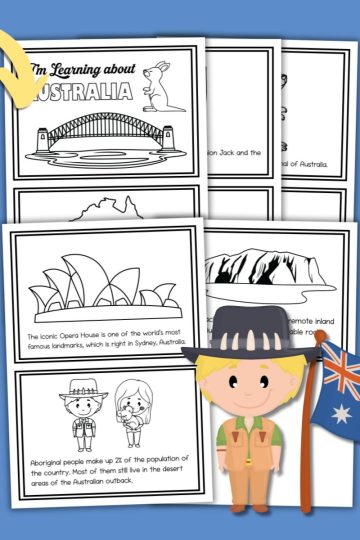
The examples below link to Little Ladoo, Coffee and Carpool, The Little Ladybug Shop, Little Bins for Little Hands, Simple Everyday Mom and Bilingual Beginnings. Read the original explanation before choosing a craft. Explain the particular tradition or occasion, and avoid presenting one activity as representing everyone in a culture.


Make the Conversation Meaningful
- Ask “What else would we like to learn?” after an activity.
- Do not ask one child to speak for a whole community.
- Include diverse people and stories throughout the year, alongside familiar favorites.
Comments
No Comments