
Animal Habitat Sorting Activity
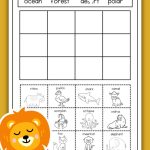
Exploring different animal habitats through sorting activities can be an exciting and educational experience for kids.
Whether you're a parent, teacher, or homeschooler, incorporating animal habitat sorting activities into your lessons can make learning about various ecosystems both fun and memorable.
Let's dive into some creative ways to teach kids about animal habitats!
Jump to:
Why Focus on Animal Habitat Sorting Activities?
Understanding animal habitats is crucial for kids as it teaches them about the diversity of life on Earth and the importance of conservation.
Sorting activities help children recognize different habitats and the animals that live in them, fostering an appreciation for nature and wildlife.

Key Types of Animal Habitats
Before we jump into the activities, let’s briefly review some key types of animal habitats:
- Forest: Dense with trees and rich in biodiversity.
- Desert: Arid land with extreme temperatures and unique flora and fauna.
- Ocean: Vast and deep, home to a wide range of marine life.
- Grassland: Open areas with grasses, home to herbivores and predators.
- Wetland: Water-rich areas like swamps and marshes, teeming with life.
Benefits of Animal Habitat Sorting Activities
Interactive sorting activities provide numerous educational benefits, including:
- Engagement: Keeps kids interested and actively participating.
- Visualization: Helps children visualize and differentiate between various habitats.
- Hands-On Learning: Promotes understanding through doing.
- Critical Thinking: Encourages kids to think about the relationships between animals and their environments.
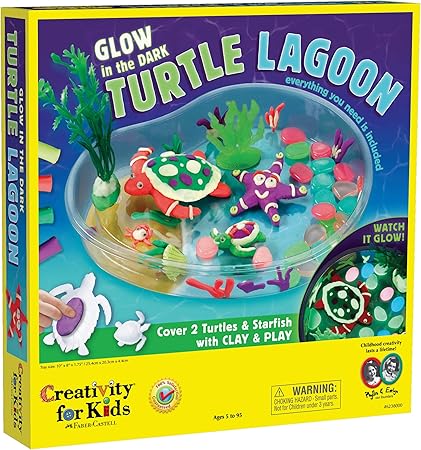
Create your own play and pretend turtle habitat. Bring 2 sea turtles and 1 starfish to life by molding and covering plastic outlines with modeling clay. Accent your designs with unique glow-in-the-dark clay, rocks and plants. Hit the lights to watch your ocean animals and habitat glow!

Tips for Making Animal Habitat Sorting Activities Engaging
- Use Real-Life Examples: Show pictures or videos of real habitats and the animals that live there.
- Incorporate Storytelling: Create stories about animals in their habitats to make the learning experience more relatable.
- Ask Questions: Prompt kids to think critically by asking questions like, "Why do camels live in the desert?" or "What makes the ocean a suitable habitat for whales?"
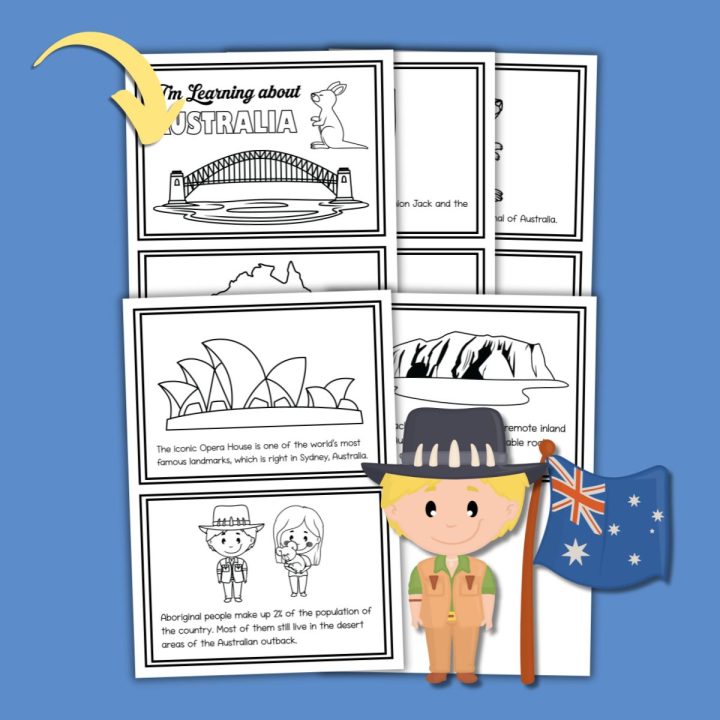
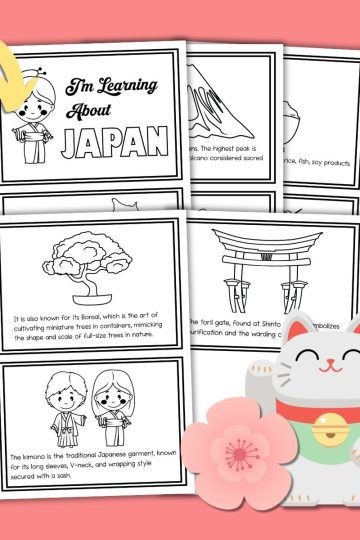
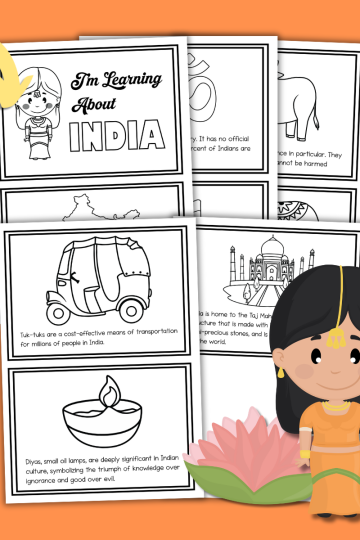
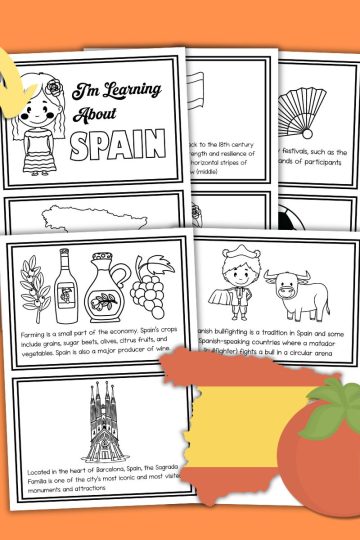
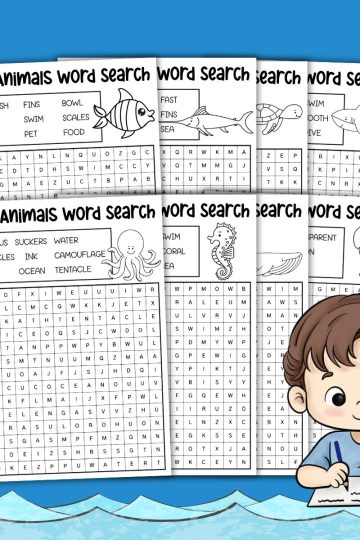
More FREE Activities to Download
Check out more fun and educational activities here.
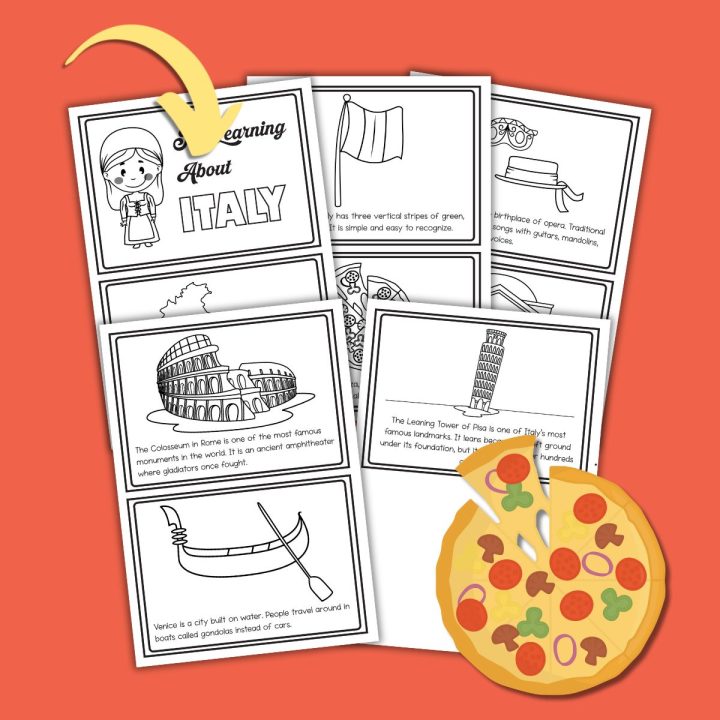
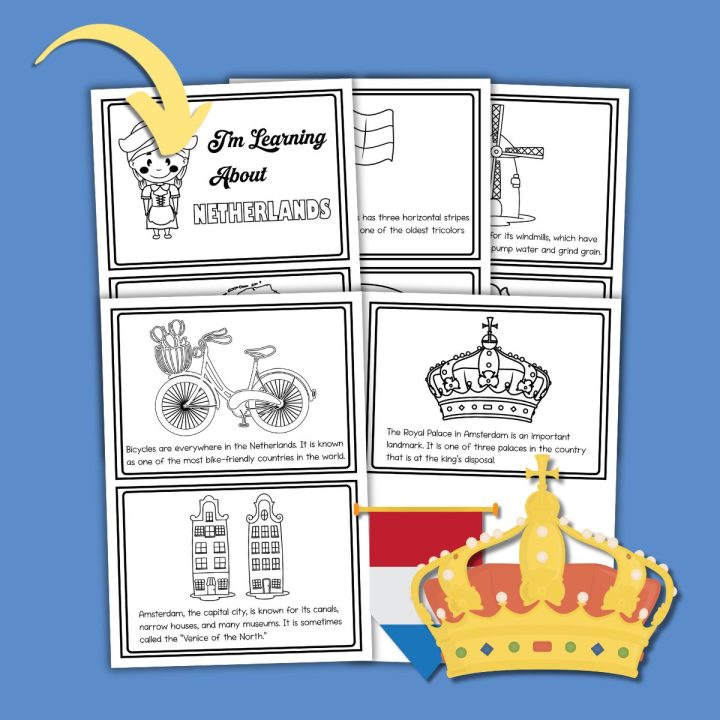

Where is the link? Thanks!
You should see the download link now!