
Bugs & Insects Writing Prompts
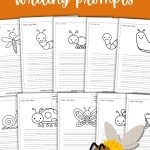
There’s something about bugs and insects that instantly captures a child’s attention. Whether it’s watching ants carry food, butterflies flutter through the air, or bees buzz from flower to flower, these tiny creatures offer endless fascination. That’s why insect and bug-themed writing worksheets are such a smart way to help kids learn how to write.
These writing practice worksheets introduce children to 12 popular bugs and insects—including the bee, worm, slug, ant, butterfly, grasshopper, spider, dragonfly, and more—and pair each one with engaging prompt words that spark creativity and support sentence-building skills.

Perfect for young learners in kindergarten through second grade, this resource makes writing both fun and educational.
In this article, we’ll explore how these worksheets can be used effectively and how they help children build essential writing skills in a structured and enjoyable way.
Jump to:
Why Use Bugs and Insects as a Writing Theme?
Let’s face it—bugs are interesting! Children are naturally curious about the creepy, crawly world around them. Bugs and insects are small enough for kids to observe up close, and many of them are commonly found in backyards, gardens, and parks. That makes them the perfect theme for early writing.
Here’s why bugs and insects work so well for writing practice:
- 🐛 They’re familiar: Kids have seen worms, ants, and butterflies before, making them easy to relate to.
- 🐝 They’re fun: Bugs bring a sense of play and discovery to writing time.
- 🦋 They spark curiosity: Writing about insects encourages observation, questions, and imagination.
- 🕷️ They connect to science: These worksheets tie in naturally with early life science lessons about animals, habitats, and life cycles.
Writing about bugs taps into both real-world experiences and a sense of wonder—a perfect combination for young writers.
What’s Inside the Worksheets?
Each worksheet in this pack is designed with early learners in mind. The clean, simple layout makes it easy for children to focus on the task, while the themed elements keep them engaged. Each page includes:
- A clear illustration of the insect or bug to support visual learners
- A short list of prompt words related to that creature (e.g., “buzz,” “hive,” “sting” for bees)
- Writing lines for children to compose one or more sentences
- Optional space for drawing a picture to match their writing
The insects and bugs included in the pack feature a fun mix of common favorites and less-familiar critters:
- Bee
- Worm
- Slug
- Ant
- Butterfly
- Grasshopper
- Spider
- Dragonfly
…and four more!
These worksheets are ideal for both beginner writers just learning to form sentences and more confident students who are expanding their vocabulary and ideas.
Take preschool and kindergarten kids on an educational adventure bursting with the kinds of colorful photographs. The Backyard Bug Book for Kids has a story, pictures, and activities all in one! Introduce your little one to the types of bugs they're likely to see during their day, then help them remember what they've learned with fun, on-the-page challenges.


How to Use These Worksheets in a Writing Lesson
Whether you’re in a classroom, homeschool setting, or working with your own kids at home, these writing worksheets are incredibly flexible. Here’s a simple structure for using them effectively:
1. Start with a Mini-Exploration
Begin by introducing the insect or bug for the day. You might show a real photo, read a short nonfiction book, or watch a quick nature video. Ask open-ended questions like:
- “Where do you think worms live?”
- “What do butterflies eat?”
- “Why do you think spiders spin webs?”
This step builds background knowledge and encourages children to connect what they see to what they’ll write.
2. Go Over the Prompt Words
Each worksheet comes with carefully chosen vocabulary words that relate to the featured insect. These words help children think about what they want to write, while also expanding their descriptive language.
Take a moment to read the words together and talk about what they mean. For example, on the spider worksheet, the words might include “legs,” “web,” “crawl,” and “scary.” This discussion not only supports comprehension—it sparks ideas!
3. Model a Sentence (or Two)
Before kids write on their own, model a sentence using the prompt words. For example:
- “The bee makes honey in the hive.”
- “The ant is small and strong.”
You can write your sentence on a board or say it aloud. This gives kids a structure to follow and boosts their confidence before writing independently.
4. Let Kids Write
Now it’s their turn! Encourage kids to use one or more of the prompt words to write their own sentences. Depending on age and skill level, students might write:
- One complete sentence
- Two or three connected thoughts
- A short descriptive paragraph (for older or more advanced writers)
The focus here is on expressing ideas clearly. Spelling doesn’t need to be perfect—what matters most is effort and creativity.
Introduce early readers to the joys of learning and discovery with this Science and Nature Books for Kids box set. Each book invites wonder and exploration with fun facts and colorful imagery. Plus, there's plenty of cute baby animals, creepy crawlies, wild weather, and humongous planets to grab—and keep—their attention.

5. Draw to Reinforce Understanding
Most children love to draw, and adding a drawing element makes the writing more meaningful. Encourage them to illustrate their bug and its environment based on what they wrote. A student who wrote, “The dragonfly flies near the water,” might draw a dragonfly above a pond with lily pads.
This visual connection reinforces comprehension and adds an artistic dimension to the task.
6. Share and Celebrate
Wrap up your session by inviting kids to share what they wrote. Reading their sentences aloud helps them see writing as a form of communication—and builds their confidence in their own voice.
Learning Benefits of Insects and Bugs Writing Worksheets
These themed writing worksheets offer so much more than surface-level fun. They help kids develop core academic skills, including:
✏️ Sentence Formation
By writing complete thoughts using structured lines and prompts, kids learn how to put words together to form meaningful sentences.
📚 Vocabulary Development
Insect-related prompt words introduce children to new terms that describe actions, body parts, habitats, and behaviors.
👂 Phonemic Awareness
As kids sound out words to write them, they build awareness of letters, sounds, and spelling patterns—key building blocks of literacy.
🧠 Critical Thinking
Choosing which words to use and how to arrange them encourages decision-making, sequencing, and detail-focused thinking.
🖐️ Fine Motor Skills
Writing and drawing strengthen the small hand muscles needed for pencil control and handwriting stamina.
🎨 Creativity
With room for both writing and drawing, these worksheets give kids the opportunity to be imaginative and express themselves.
🔍 Science-Literacy Integration
They naturally support science standards about animals and the environment while developing literacy skills—making them perfect for cross-curricular teaching.
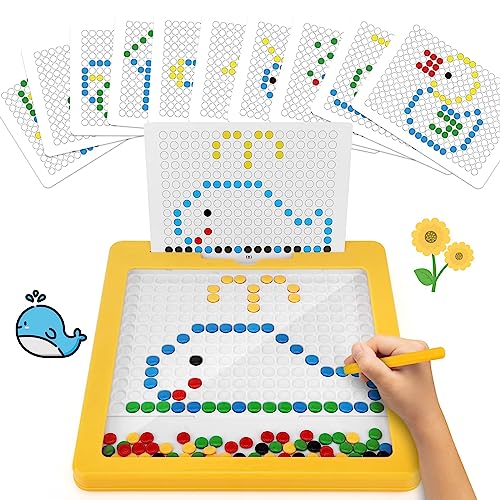
By moving these colorful magnetic beads around on the doodle board, kids will have fun drawing their imaginations and creating their own unique patterns on the board.
Extend the Learning with These Fun Ideas
Want to go beyond the worksheet? Try these fun and educational extensions:
- 🐞 Bug Scavenger Hunt: Take kids outside to look for real bugs, then come back and write about what they found.
- 📚 Book Pairings: Read a bug-themed book before writing (e.g., The Very Hungry Caterpillar for butterflies or Diary of a Worm).
- ✂️ Craft Connection: Create simple bug crafts to accompany the writing, such as paper plate bees or folded-paper butterflies.
- 🕸️ Build a Bug Book: As kids complete their worksheets, staple them into a “My Bug Book” collection they can keep.
Helping children learn to write doesn’t have to be a struggle—it can be a joyful, engaging journey. These insect and bug writing practice worksheets are a playful and purposeful tool that helps kids explore the natural world while building their writing skills.
With 12 different bugs and insects to write about, helpful prompt words, and room for creativity, this pack offers just the right balance of structure and freedom. Whether your child loves butterflies, is fascinated by spiders, or giggles at the idea of slimy slugs, there’s something in this resource for everyone.
So grab a pencil, take a look at the nearest flower, and let your little learners buzz into writing success—one bug at a time.




Comments
No Comments